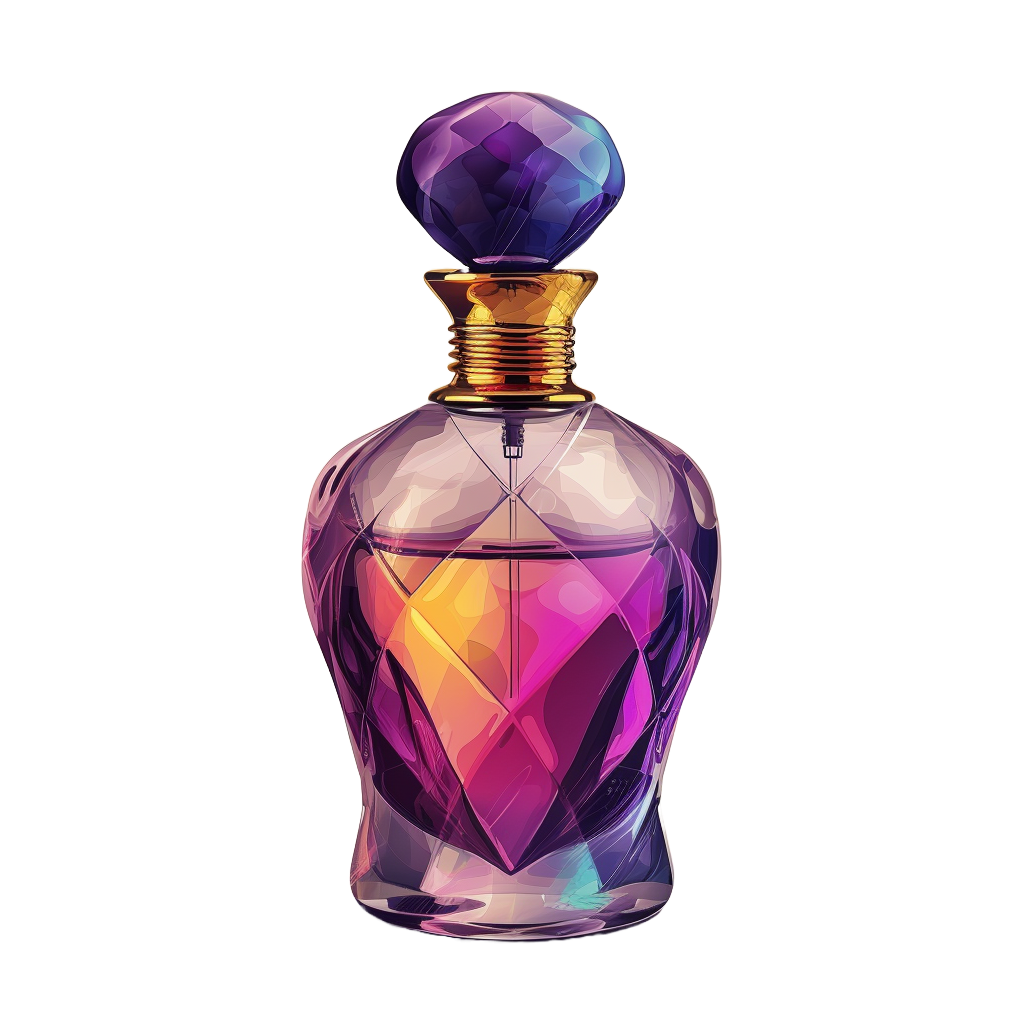
The art of perfume, a symphony of scents that has captivated human senses for millennia, holds a story as rich and diverse as its fragrances. Tracing its origins takes us back to the cradle of civilization, where the first whispers of perfumes wafted through ancient temples and royal palaces, entwining with the fabric of human history. This journey through time reveals not just the evolution of perfume but also its profound impact on cultures and societies around the globe.
The Birth of Perfume in Ancient Civilizations
The inception of perfume can be traced back to ancient Mesopotamia and Egypt around 2000 BCE. It was here that the first recorded evidence of perfume production emerged, with archaeologists uncovering clay tablets and artifacts that detail the crafting of aromatic oils and ointments. These early perfumes were not merely for personal adornment but served a multitude of purposes, from religious ceremonies and medicinal practices to burial preparations and daily hygiene.
In ancient Egypt, perfumes were considered gifts from the gods, integral to religious rites. Pharaohs and priests used fragrances to communicate with deities, believing the divine scents could transcend the earthly realm. The use of kyphi, a complex incense comprising 16 ingredients, exemplifies the sophistication of Egyptian perfumery, a craft so revered it was often entombed with pharaohs to accompany them into the afterlife.
The Spread of Perfumery Across Cultures
As trade routes expanded, the knowledge and materials for perfume-making traveled across continents. The ancient Greeks and Romans embraced and enhanced the art of perfumery, infusing their baths and homes with aromatic oils, and celebrating their athletes and warriors with fragrant laurels. For these civilizations, perfume symbolized cleanliness and well-being, a belief that permeated their public and private lives.
The Persians, who mastered the distillation technique, significantly advanced the production of perfumes. They introduced the process of extracting oils from flowers, laying the foundation for modern perfumery. The Islamic Golden Age further propagated this knowledge, with scholars like Avicenna refining distillation methods to produce purer, more potent scents.
The Renaissance: Perfume’s Golden Era
The Renaissance period marked a turning point in the history of perfume. As Europe emerged from the Middle Ages, a renewed interest in art, science, and personal grooming flourished. Perfume, once a luxury confined to the nobility and the wealthy, became more accessible. Venice and Florence became centers of perfumery, with their skilled artisans blending indigenous and exotic ingredients to create fragrances that captivated the European elite.
This era also saw the birth of alcohol-based perfumes, a revolutionary development that enhanced the longevity and diffusion of scents. The use of glass bottles and ornate flacons to store these precious liquids transformed perfume into a symbol of status and sophistication.
The Modern Age of Perfumery
The 19th century ushered in the industrial revolution, which had a profound impact on perfume production. Synthetic ingredients were introduced, expanding the perfumer’s palette beyond natural extracts. This innovation led to the creation of entirely new scent families, making perfumes more varied and affordable.
Today, the world of perfume is a global industry that blends tradition with innovation. Contemporary perfumers draw on centuries of knowledge while incorporating modern science to create fragrances that evoke emotions, memories, and desires. The journey of perfume from ancient temples to boutique shelves is a testament to its enduring allure, a sensory bridge between the past and the present.
Conclusion
The origins of perfume are as layered and complex as the scents themselves, woven into the tapestry of human history. From its sacred beginnings in ancient civilizations to its status as a modern-day luxury, perfume has transcended time, touching every aspect of human culture. Its story is a reminder of humanity’s perpetual quest for beauty, connection, and the divine, a quest that continues to inspire and enchant to this day.

Hi, this is a comment.
To get started with moderating, editing, and deleting comments, please visit the Comments screen in the dashboard.
Commenter avatars come from Gravatar.